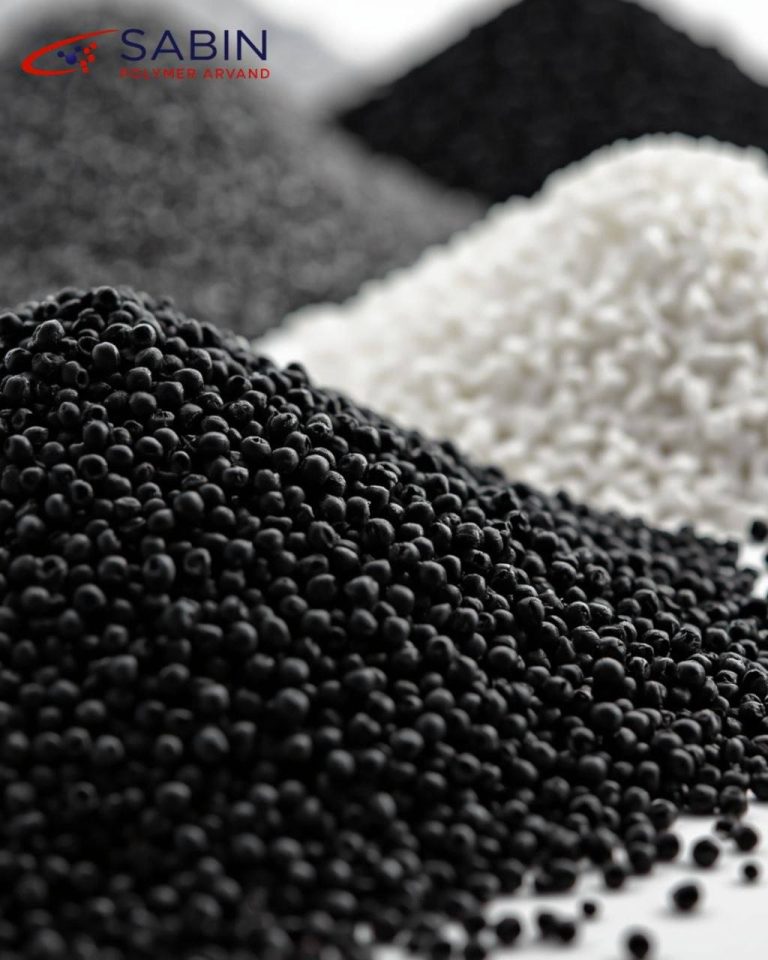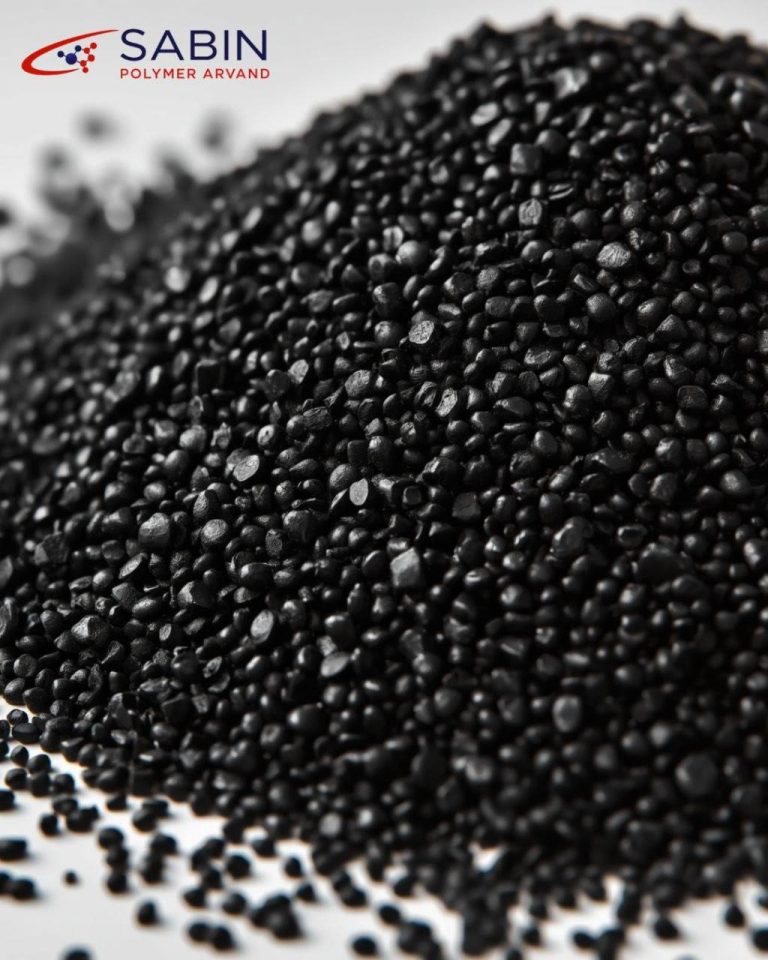

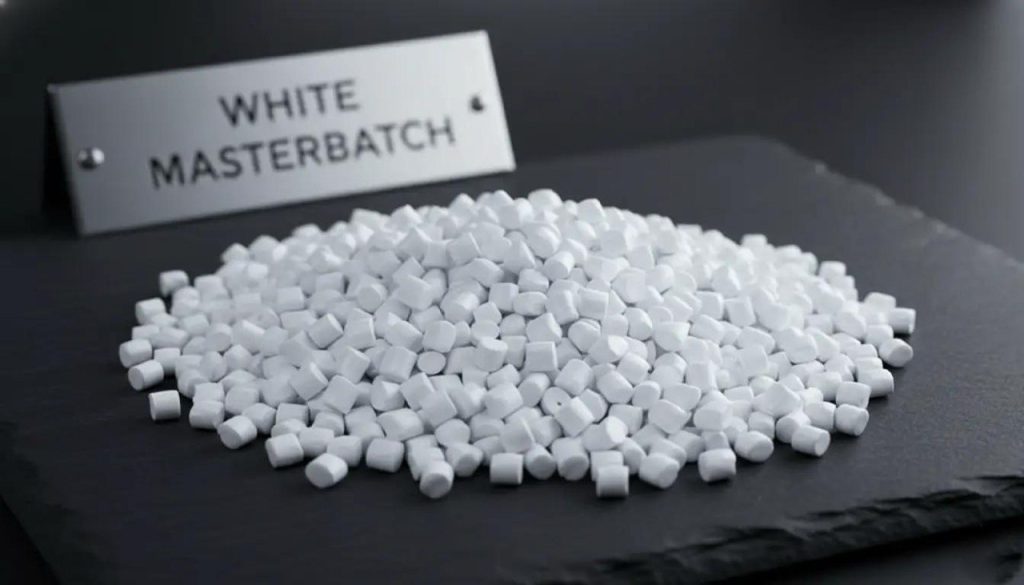
Masterbatch is not only a color additive. Its quality directly affects appearance, thermal stability, and sometimes mechanical performance. In the Sabin Polymer catalog, antioxidant and titanium masterbatches are designed for stabilization and white/opacity coverage.
Why pigment dispersion matters
Poor dispersion shows up as spots, streaks, or shade variation between lots. In injection and film lines, that usually means visual scrap and avoidable downtime. A well-dispersed masterbatch with a suitable carrier also improves economy, because lower dosing can reach the target opacity.
Thermal stability during processing
At high processing temperatures, pigments and additives can degrade. That may cause yellowing, odor, or gloss loss. The right antioxidant package widens the safe processing window and supports longer service life in the finished part.
- Control moisture before use
- Match carrier compatibility with PP or PE
- Check MFI after masterbatch addition
- Validate opacity and shade uniformity on first samples
Compatibility with the polymer base
Even a strong pigment package can reduce mechanical performance or create phase separation if the carrier is incompatible. Masterbatch selection should consider polymer type, let-down ratio, and extrusion/injection conditions.
If your goal is stable whiteness, high opacity, or thermal protection, Sabin’s technical team can recommend the right grade and evaluate it under your line conditions.